
Pre-Existing Conditions in UAE Health Insurance (2026)
Buying health insurance is one of the smartest decisions you can make in the UAE. It protects you and your family from unexpected medical expenses while giving you access to...
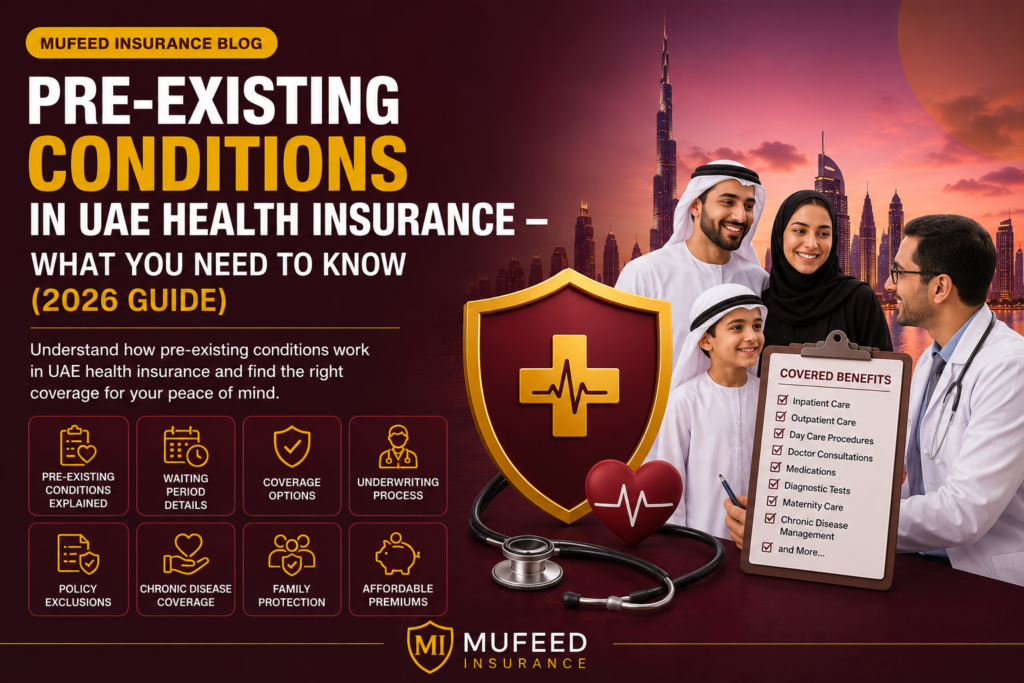
Buying health insurance is one of the smartest decisions you can make in the UAE. It protects you and your family from unexpected medical expenses while giving you access to quality healthcare. However, one of the most common questions people ask before purchasing a policy is:
“Will my pre-existing medical condition be covered?”
Many residents worry that conditions such as diabetes, hypertension, asthma, thyroid disorders, or heart disease may prevent them from getting health insurance or affect their claims. The good news is that having a pre-existing condition does not always mean you cannot obtain health insurance. The important part is understanding how insurers evaluate these conditions and how different policies handle coverage.
In this complete 2026 guide, we’ll explain everything you need to know about pre-existing conditions in UAE health insurance, including what they are, how they affect your policy, common waiting periods, and how to choose the right health insurance plan.
At Mufeed Insurance, we help individuals, families, and businesses across the UAE compare trusted insurance providers and find health insurance plans that match their medical needs, lifestyle, and budget. Our experienced advisors make the process simple and transparent, ensuring you understand your coverage before purchasing a policy.
What Is a Pre-Existing Condition?
A pre-existing condition is any illness, injury, or medical condition that existed before the start date of your health insurance policy.
This includes conditions that:
- Were previously diagnosed by a doctor.
- Required medication or ongoing treatment.
- Caused symptoms before buying insurance.
- Required surgery or hospitalisation.
- Need regular medical monitoring.
Insurance companies ask about these conditions because they help assess medical risk before issuing a policy.
Common Pre-Existing Conditions in the UAE
Some of the most common pre-existing medical conditions include:
- Diabetes
- High blood pressure (Hypertension)
- Asthma
- Thyroid disorders
- High cholesterol
- Heart disease
- Kidney disease
- Arthritis
- Epilepsy
- Chronic back pain
- Liver disease
- Cancer (current or previous history)
- Autoimmune disorders
- Sleep apnea
- Chronic respiratory diseases
Having one of these conditions does not automatically prevent you from getting health insurance.
Do UAE Health Insurance Plans Cover Pre-Existing Conditions?
The answer depends on several factors.
Coverage may vary based on:
- The insurance company
- The selected health insurance plan
- Your medical history
- Underwriting assessment
- Waiting periods
- UAE insurance regulations
- Policy terms and conditions
Some comprehensive plans may cover pre-existing conditions after the applicable waiting period or according to the insurer’s underwriting decision.
Others may apply specific conditions, exclusions, or premium adjustments.
Always read your policy wording carefully.
Why Do Insurance Companies Ask About Medical History?
Insurance works by evaluating risk.
When you apply for health insurance, insurers usually ask questions about:
- Previous illnesses
- Surgeries
- Hospital admissions
- Current medications
- Chronic diseases
- Family medical history (depending on the insurer)
Providing accurate information helps the insurer recommend the right plan and avoids complications during future claims.
Never Hide a Medical Condition
One of the biggest mistakes applicants make is failing to disclose an existing medical condition.
Some people believe that hiding their illness will reduce their premium or improve approval chances.
This can create serious problems later.
If an insurance company discovers that important medical information was intentionally omitted, it may:
- Reject certain claims.
- Apply policy limitations according to the contract.
- Investigate medical records during claim assessment.
Honesty during the application process helps ensure smoother claim handling.
What Is a Waiting Period?
Many health insurance plans apply a waiting period for certain medical conditions.
A waiting period is the length of time you must wait before eligible treatment for a specified condition becomes covered under your policy.
Waiting periods differ depending on:
- Insurance provider
- Policy type
- Medical condition
- Underwriting assessment
Always ask your insurance advisor about any waiting periods before purchasing a policy.
Chronic vs Non-Chronic Conditions
Understanding the difference between chronic and non-chronic illnesses can also help.
Chronic Conditions
Chronic illnesses usually require ongoing medical care over an extended period.
Examples include:
- Diabetes
- Hypertension
- Asthma
- Heart disease
- Thyroid disorders
These conditions often require continuous monitoring and medication.
Non-Chronic Conditions
Non-chronic illnesses are generally temporary and can often be treated within a shorter period.
Examples include:
- Viral infections
- Seasonal flu
- Minor injuries
- Food poisoning
- Temporary allergies
- Short-term infections
The exact classification depends on medical evaluation and insurer guidelines.
What Medical Services May Be Covered?
Depending on your selected plan and policy terms, health insurance may include:
Inpatient Services
- Hospital admission
- Surgery
- Intensive care
- Emergency treatment
- Specialist care
Outpatient Services
- General doctor consultations
- Specialist visits
- Blood tests
- Diagnostic investigations
- Prescription medicines
- Physiotherapy
Day Care Procedures
- Endoscopy
- Minor surgeries
- Cataract procedures
- Certain orthopedic treatments
- Diagnostic procedures
Coverage always depends on your policy conditions and medical necessity.
Tips for Choosing Health Insurance with a Pre-Existing Condition
Before purchasing a policy, consider the following:
Compare Multiple Insurance Providers
Different insurers offer different underwriting approaches and coverage options.
Understand the Waiting Period
Ask your advisor whether your medical condition has a waiting period.
Review Hospital Networks
Ensure your preferred hospitals and specialists are included.
Check Annual Coverage Limits
Choose a plan with adequate financial protection for long-term treatment if required.
Review Co-Payments
Understand how much you may need to contribute toward consultations, medicines, or treatment.
Read the Policy Carefully
Always understand:
- Coverage
- Exclusions
- Waiting periods
- Claim procedures
- Additional benefits
before purchasing.
Common Mistakes to Avoid
Many applicants make avoidable mistakes such as:
- Hiding existing medical conditions.
- Buying insurance based only on price.
- Ignoring waiting periods.
- Not reading policy exclusions.
- Choosing an unsuitable hospital network.
- Forgetting to compare multiple insurance providers.
- Assuming every insurer offers identical benefits.
Making informed decisions today can save significant medical expenses in the future.
Why Choose Mufeed Insurance?
Finding health insurance when you have a pre-existing medical condition can feel complicated—but it doesn’t have to be.
At Mufeed Insurance, we help UAE residents compare health insurance plans from trusted providers while explaining policy benefits in clear and simple language.
When you choose Mufeed Insurance, you receive:
- Multiple health insurance quotations
- Individual and family medical plans
- Competitive premium options
- Access to trusted insurance providers
- Transparent policy comparisons
- Expert insurance advisors
- Fast policy issuance
- Friendly customer support
- Professional assistance throughout the insurance process
Our goal is to help every customer find reliable health insurance that offers the best possible protection for their unique healthcare needs.
Final Thoughts
Having a pre-existing medical condition doesn’t necessarily prevent you from obtaining quality health insurance in the UAE. The key is understanding how insurers assess medical history, what waiting periods may apply, and choosing a policy that fits your healthcare requirements.
Always disclose your medical history honestly, compare multiple insurance providers, review policy benefits carefully, and seek professional advice before making a decision.
At Mufeed Insurance, we’re committed to helping individuals and families across the UAE find affordable, transparent, and comprehensive health insurance solutions. Whether you’re purchasing insurance for the first time or looking for better coverage, our experienced advisors are ready to guide you every step of the way.